Property · 11 November 2026 · 3 min read
Is the Nominee Crackdown Really About the OECD?
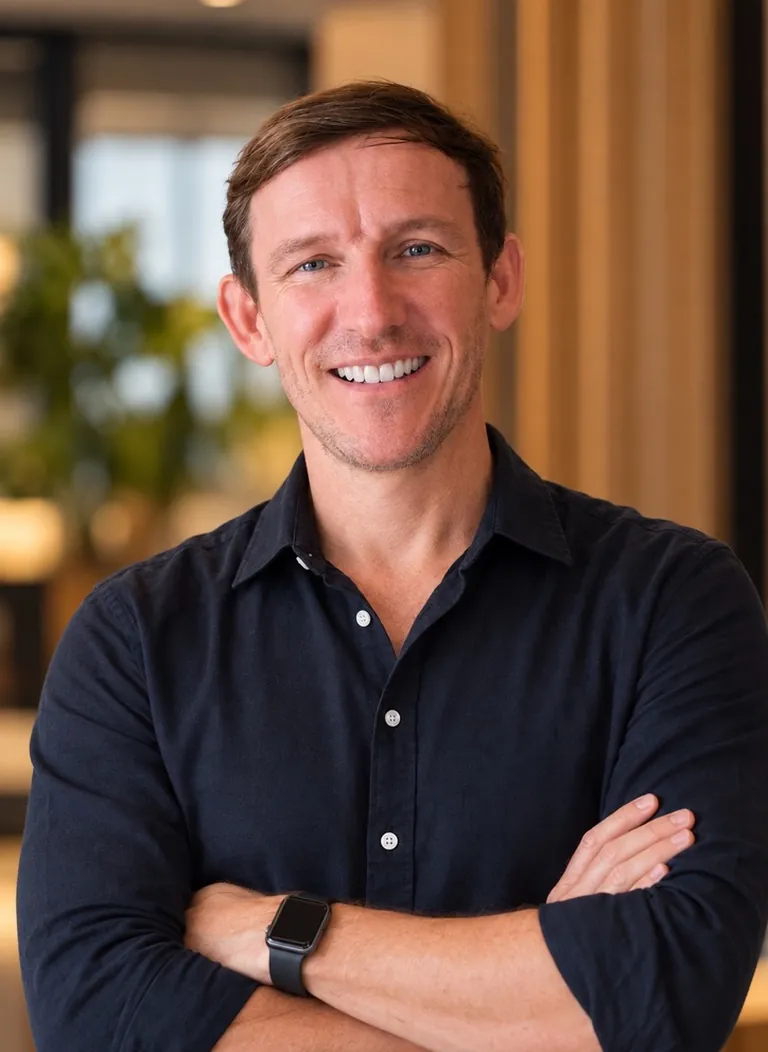 By Shane Ruddle
My theory is that the nominee crackdown and Thailand's push to join the OECD are connected. I think the government wants to clean up the grey areas first, then make foreign investment clearer, without rewarding people who got around the rules for years. This is just my opinion, but I think a major change is on the horizon. More in nominee companies in Thailand: should you panic?
What the OECD is
The OECD, the Organisation for Economic Co-operation and Development, is a club of 38 mostly wealthy countries that sign up to shared standards on things like trade, investment, tax and transparency.
Joining has been on Thailand's agenda for a long time, and it's a personal goal of the current Prime Minister, Anutin Charnvirakul. The OECD adopted Thailand's accession roadmap in 2024, and in December 2025 Thailand handed over its Initial Memorandum, a formal step in the process. The government is aiming to join by 2028, and a national steering committee now oversees the process.
Why I think it's connected
As I understand it, members need a clear pathway for foreign investment. Over the years, Thailand's rules have been complicated, with grey areas that a lot of people have used.
If the government simply opened things up, it would effectively reward everyone who had already circumvented the law. So my theory is that the plan goes like this: crack down first, show the OECD and its members that Thailand is serious, and then bring in the change.
Transparency and money laundering
The other part is transparency, knowing who really owns what. With a nominee structure, someone can bring money into Thailand, buy a property, and control 100% of it while owning only 49% on paper. That makes it a pretty good way to launder money. I think cleaning that up is a big part of what the crackdown is about. It's notable that the Anti-Money Laundering Office is one of the agencies involved.
What I expect to change
I don't know how far they'll open things up, or whether it will be reciprocal between member countries. But here's what I would do.
I still wouldn't allow foreigners to own land. Instead, I'd allow new condo buildings to be 100% foreign owned. Not existing buildings: you couldn't suddenly convert a building that's already limited by the quota. Just new builds, to stimulate the economy.
I think developers would then build bigger units, so families who currently want houses would have a real alternative. Some people will still want a house, maybe because they have pets, and renting is still an option for them. More in foreign ownership, 99-year leases and the condo quota.
Most of all, I think there'll be a lot more clarity, and that's the key.
The other side
This is speculation. Thailand hasn't announced any plan to raise the 49% condo quota or change land ownership as part of joining the OECD, and accession doesn't require a country to let foreigners own land. The crackdown can also be explained simply: enforcing laws that were already there. And some people argue that Thai property should stay mainly in Thai hands, whatever the OECD says. More in the Pattaya property market.
For what's happening in the courts, read the Hua Hin nominee cases.